In-Season Blooms: How to Select Flowers That Reflect Your Wedding Vision By: Pamela Bell Any experienced wedding planner or florist will tell you that one of the best ways to cut costs is by selecting flowers that are in season. But that’s not the only benefit. Opting for seasonal flowers will not only save you money, but they’ll also be fresher, smell better, and be more unique. Yes, you read that right! When you choose flowers that are in season, they won’t be as readily available to the masses, making them the perfect choice if you want your wedding flowers to stand out from the crowd.
Floral arrangements that include seasonal blooms in wedding bouquets and wedding flowers not only make for stunning wedding flowers, they also bring great meaning to the bouquet, as flowers that bloom in the time of year you are wed tend to carry that essence with them. Flowers in spring may include the tender, pastel tulips, hyacinths and lilacs that fill the crisp air with their fragrance, symbolizing spring as a time of rebirth and new beginnings. During the cooler seasons, these wedding flowers are in season and boast vivid yet muted color in these gorgeous blooms that add so much beauty to an outdoor wedding under blooming tree branches, and add lush color to a light-filled indoor wedding.
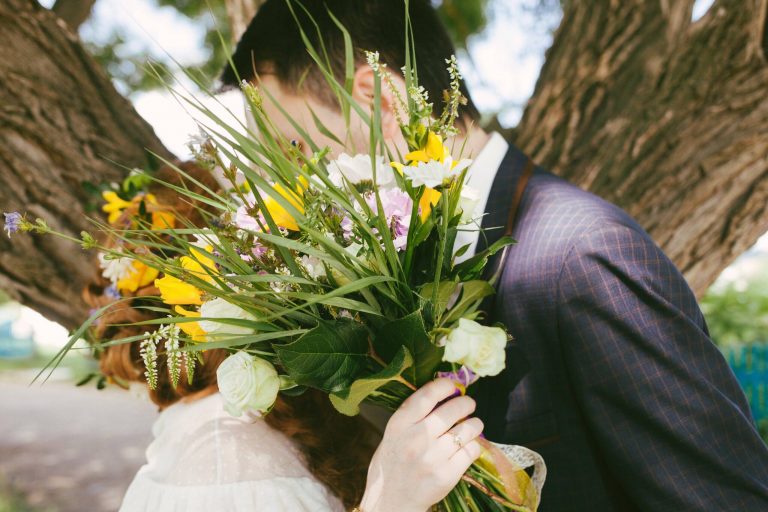
Roses are in peak season, and peonies are abundant in the summer. The inclusion of a bright and cheerful sunflower to a wedding during the summer when the sun is shining and blue sky is all that can be seen is the perfect choice. Lush, full bouquets are a great way to go during the summer. A gorgeous bouquet filled with dahlias, which add fullness and a more dramatic flair, and garden roses, which add a more whimsical and romantic touch to a wedding, are perfect for the summer. Hydrangea centerpieces or garlands are a great way to go when you want something lush and full for the altar. As with other seasonal elements, this is a great time of year to use flowers in their prime to make sure they last through the long hot night ahead.
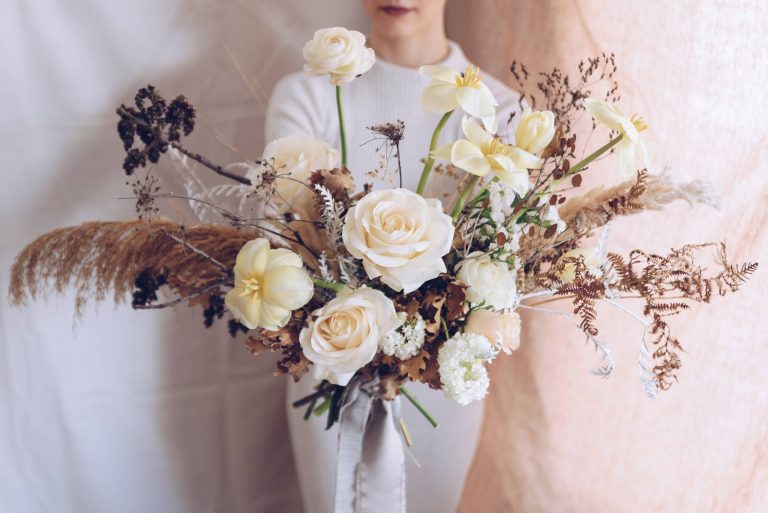
The addition of dahlias in jewel tones, mums with double petals, and amaranthus with their cascading burgundy or bronze flowers, evoke the earthiness and coziness of the fall season. These flowers can be used for a moody harvest wedding or an elegant dinner party. Berries, seeded eucalyptus, and dried flowers and branches become more prominent in arrangements to add earthiness to the floral. Flowers stay fresh for a longer amount of time during the fall months, so large installations like a flower garland across the barn or a long table full of petite centerpieces are definitely feasible. Some brides also feel that the colors of fall evoke feelings of warmth and appreciation, which also can influence the type of flowers that they choose.
Evergreen, hellebore, anemone, ranunculus, white and ivory roses, silver brunia, dusty miller, and amaryllis are among the flowers that can endure the cold temperatures. The effect is breathtaking in a snow-covered setting or candlelit reception. There’s even room for pine cones and seeded pods to add natural texture to your velvet ribbons. Since the selection is limited, this is also a good time to edit your choices and rely on the space between flowers for drama. This time of year requires careful attention to keeping the flowers hydrated, and wrapped up to prevent them from wilting during transportation and hours-long ceremonies.
Finally, using seasonal flowers gives the wedding flowers a voice, in that it tells the story of the couple, of their commitment to the environment and to each other, and the time of year they are getting married. Seasonal flowers helps to lower our carbon footprint, because it requires less importing of flowers via airplanes, and it promotes the talents of local farmers that grow incredible flowers at the height of the season. Essentially, incorporating seasonal flowers in your wedding flowers adds meaning and depth to your event and is the perfect way to honor the beauty of the season and your special day.